
Helping Health Transitions
Barriers to Connection During Health Changes
Health Changes: Treated Individually, Lived Socially
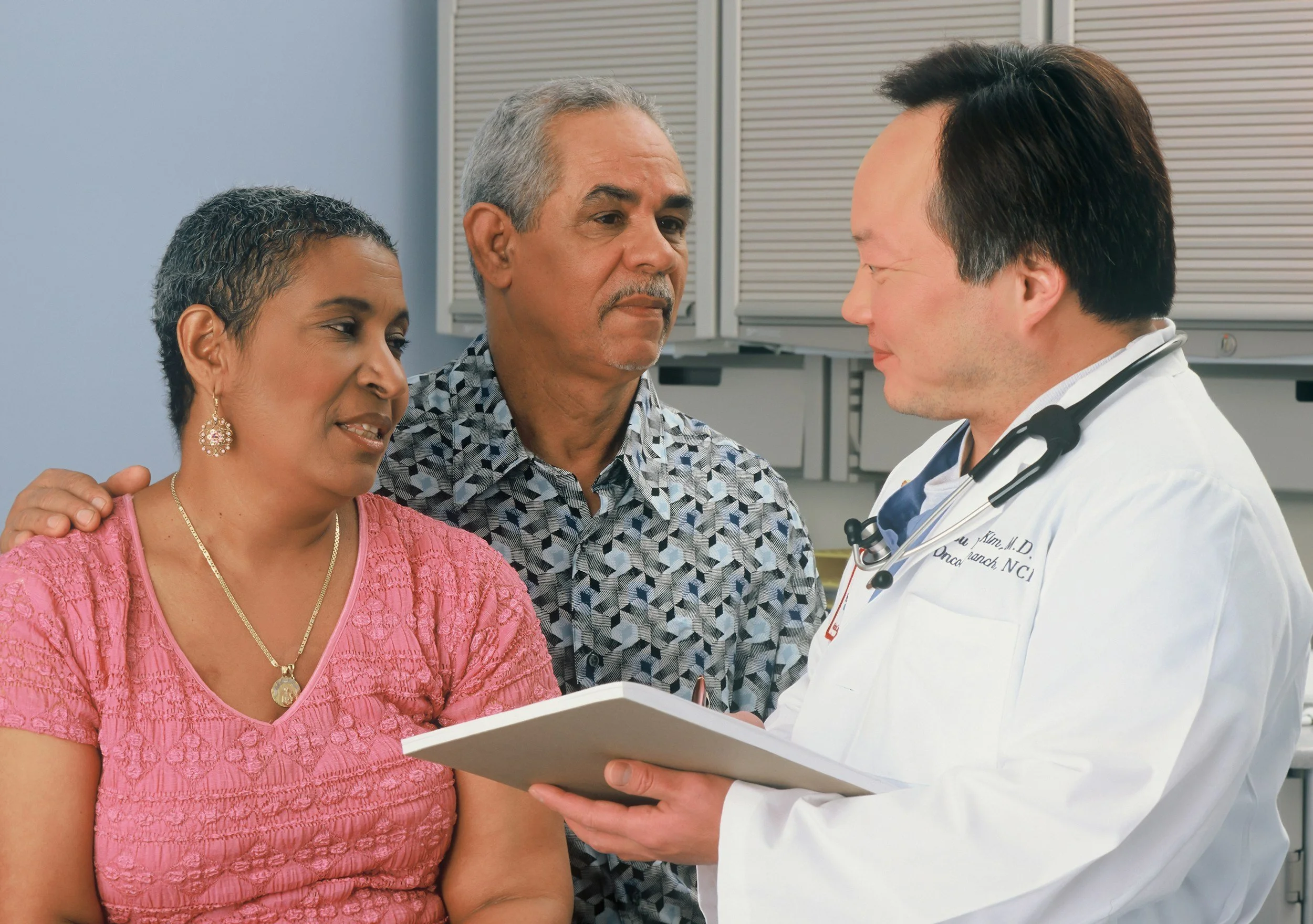
A serious health diagnosis—whether cancer, diabetes, or a mental health condition—doesn’t just change the body. It reshapes identity, daily life, and relationships.
Patients often describe the moment of diagnosis as a rupture: a dividing line between who they were before and who they are now. Sociologist Michael Bury famously described this as “biographical disruption,” a process in which individuals must reconstruct their sense of self, routines, and future in the face of illness (Bury, 1982).
At the same time, health crises are among the most socially destabilizing transitions a person can experience. People may withdraw from others due to fatigue, stigma, or emotional strain, even as their need for support increases. A large body of research shows that social isolation and loneliness are associated with significantly higher risks of depression, poorer health outcomes, and even increased mortality (Holt-Lunstad et al., 2015; National Academies of Sciences, Engineering, and Medicine, 2020).
Conditions like diabetes make this especially clear. Managing the disease requires sustained behavioral change (monitoring, diet, medication) but decades of research show that social support is one of the strongest predictors of adherence and outcomes. Patients with stronger social networks are more likely to manage their condition effectively and experience fewer complications (Gallant, 2003).
And yet, our healthcare system is still largely designed around the individual. Patients are given treatment plans, prescriptions, and information but far less often are they given structured ways to connect with others going through the same experience.
There are notable exceptions.
Alcoholics Anonymous remains one of the most studied examples of peer-based recovery. It provides regular meetings, shared language, and a clear pathway into belonging built on lived experience. Research has shown that participation in AA and similar mutual-help groups can be as effective as, or more effective than, clinical interventions alone in supporting long-term recovery (Kelly et al., 2020).
Similar patterns appear in cancer care. Patients who participate in peer support groups often report reduced distress and improved coping, as well as a stronger sense of connection during treatment (Hoey et al., 2008).
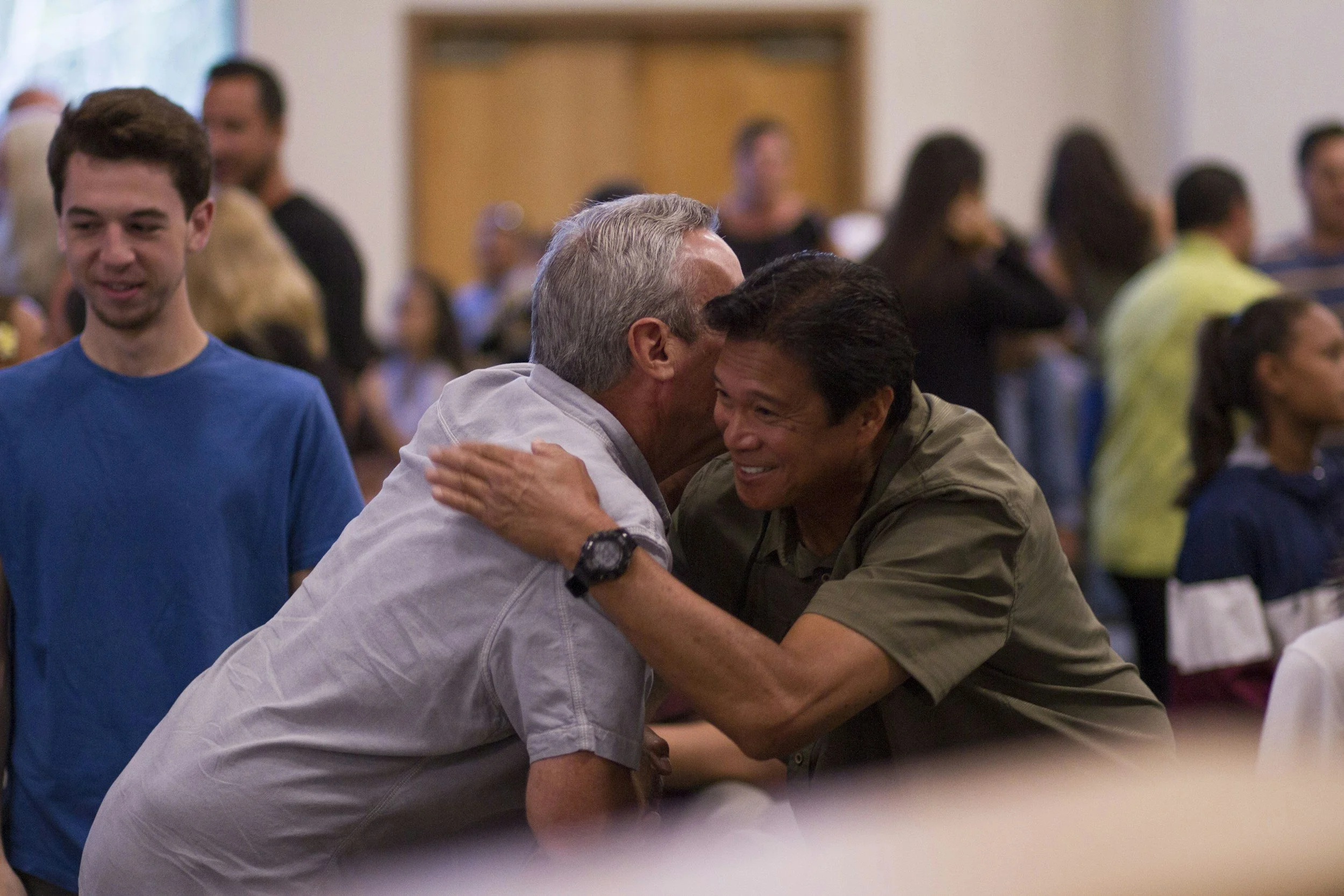
These approaches recognize something our broader system often overlooks: healing is not just a medical process. It is a social one.
A diagnosis doesn’t just require a treatment plan. It requires a new way of living and, often, a new set of relationships to sustain it.
But for most people, that social infrastructure is not built in. They are left to assemble it on their own, at the very moment when their capacity to do so is most limited.