
Connecting Retirees
Barriers to Connection When Retiring
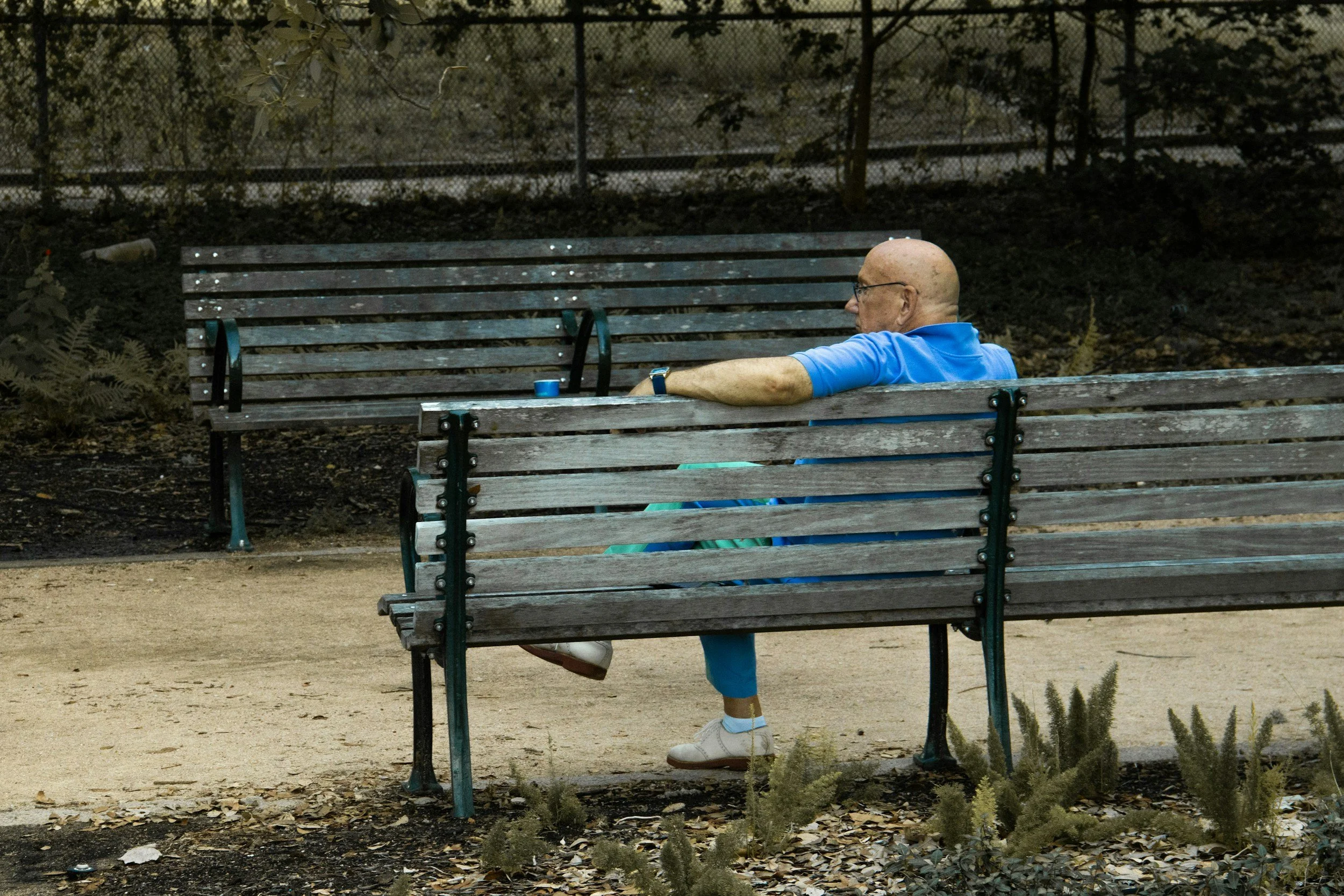
Retirement: Loss of Structure Without Replacement
Retirement marks the end of one of the most consistent sources of connection in adult life: work. Along with it can come a loss of identity, purpose, and daily interaction.
For many people, work is not just what they do, it is a central part of who they are. Sociological and psychological research has long shown that retirement can disrupt this sense of identity, requiring individuals to reconstruct meaning and role in the absence of a long-held structure (Wang & Shi, 2014; Ashforth, 2001).
At the same time, retirement often leads to a contraction of social networks. Colleagues who once provided regular interaction are no longer part of daily life, and without intentional replacement, those connections tend to fade. Studies have found that retirement is associated with reduced social participation and, for some, increased risk of loneliness and depression—particularly when it is unplanned or when individuals lack strong social ties outside of work (Pinquart & Schindler, 2007; Courtin & Knapp, 2017).
This helps explain why retirement is such a paradoxical transition. It offers freedom from work, but can also bring a loss of structure, community, and belonging.
And yet, like other life transitions, it also presents a powerful opportunity.
When retirees are able to build new social roles and relationships, they often experience improved well-being, stronger sense of purpose, and better overall health outcomes (Wang, Henkens, & van Solinge, 2011). The challenge is not retirement itself, but whether there are systems in place to help people navigate it.
Some models point the way forward. The Village to Village Network, for example, creates member-led communities where neighbors support one another, share resources, and build new forms of connection beyond work. These networks help replace the social infrastructure that employment once provided.
But access to these kinds of communities remains limited. For many, retirement still means stepping away from a structured social world without a clear pathway into a new one, leaving people to rebuild their relationships on their own, at a moment when doing so can feel both unfamiliar and difficult.